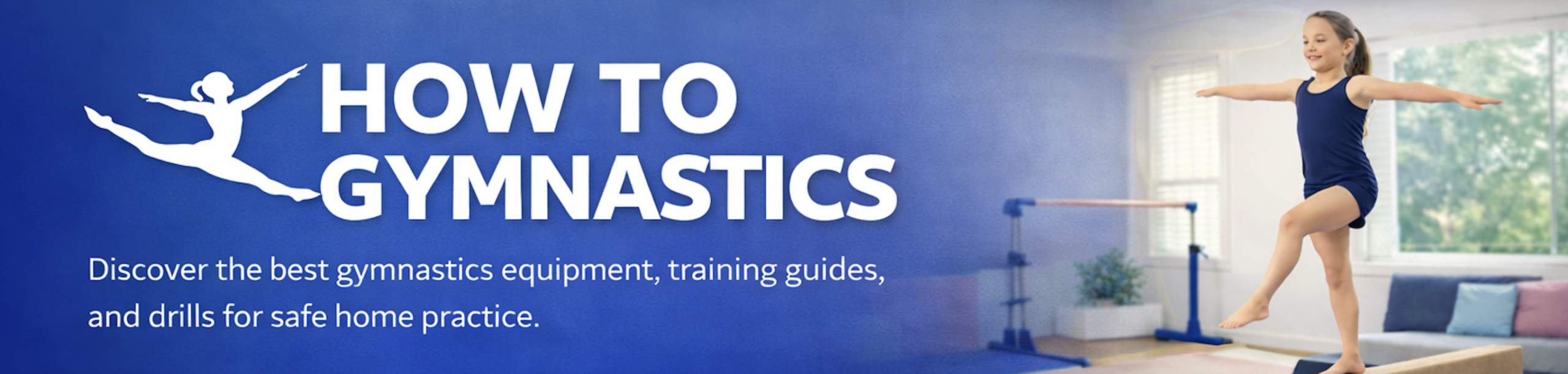

If you’re building a home gymnastics setup, one of the biggest decisions is choosing between a low balance beam and a floor balance beam. Both are excellent tools—but they serve very different purposes depending on skill level, confidence, and training goals.
In this guide, we’ll break down everything you need to know (and show you the best options to buy) so you can choose the right beam and maximize your progress at home.
👉 Quick Pick
👉 Quick Picks: Best Balance Beams for Home Practice


🏆 Editor’s Pick: Tumbl Trak Sectional Floor Balance Beam (4.8⭐)
👉 Lightweight, safe, and perfect for beginners
✔ Soft suede feel (like competition beam)
✔ Builds confidence fast with zero height risk
Low Balance Beam vs Floor Balance Beam (What’s the Difference?)
When comparing a low balance beam vs a floor balance beam, the biggest difference is height and training purpose.
- A low balance beam is raised slightly off the ground (typically 6–12 inches)
- A floor balance beam sits directly on the floor
👉 According to gymnastics training standards, beginners often start on floor beams before progressing to raised beams for realism
Low Balance Beam vs Floor Balance Beam: Which One Should You Choose?
🟢 Choose a Floor Balance Beam if:
- Your gymnast is a beginner
- Confidence is still developing
- You want a safer learning environment
🔵 Choose a Low Balance Beam if:
- Your gymnast is working on routines
- They need competition-like feel
- You want to simulate meet conditions
👉 For a full beginner progression guide, check out:
https://howtogymnastics.com/balance-beam-skills-for-beginners/
Low Balance Beam vs Floor Balance Beam Comparison Table
| Product | Best For | Rating ⭐ | Price | Action |
|---|---|---|---|---|
| Tumbl Trak Sectional Beam | Best Overall | ⭐⭐⭐⭐⭐ (4.8) | $$ | 👉 Check Price |
| Tumbl Trak Addie Beam | Advanced Training | ⭐⭐⭐⭐⭐ (4.9) | $$$ | 👉 Check Price |
| Finikis Folding Beam | Budget Option | ⭐⭐⭐⭐☆ (4.5) | $ | 👉 Check Price |
Best Low Balance Beam Options (Low Balance Beam Guide)
1. Tumbl Trak Addie Balance Beam — Best Overall Low Balance Beam
Rating: ⭐⭐⭐⭐⭐ (4.9/5)
Best for: Serious gymnasts
✔ Competition-width beam
✔ Realistic suede surface
✔ Optional leg risers
Why it stands out:
This low balance beam feels closest to competition equipment. If your athlete is preparing for meets, this is the gold standard.
2.FBSport Adjustable Low & High Balance Beam — Best for Adults & Advanced Skills
Rating: ⭐⭐⭐⭐⭐ (5.0/5)
Best for: Strength + advanced training
✔ Higher weight capacity
✔ Stability for dynamic skills
Best Floor Balance Beam Options (Floor Balance Beam Guide)
3. Tumbl Trak Sectional Beam — Best Overall Floor Balance Beam
Rating: ⭐⭐⭐⭐⭐ (4.8/5)
Best for: Beginners + progression
✔ Soft foam core
✔ Breaks into sections
✔ Easy storage
Why it stands out:
This floor balance beam is perfect for building confidence without fear of falling.
4. Finikis Folding Beam — Best Budget Floor Balance Beam
Rating: ⭐⭐⭐⭐☆ (4.5/5)
Best for: Budget buyers
✔ Lightweight and portable
✔ Affordable
✔ Good for beginners
Low Balance Beam vs Floor Balance Beam for Skill Progression
Phase 1: Start with a Floor Balance Beam
- Walks
- Turns
- Basic jumps
👉 See beginner drills:
https://howtogymnastics.com/balance-beam-skills-for-beginners/
Phase 2: Transition to a Low Balance Beam
- Leaps
- Handstands
- Connections
Phase 3: Combine Both
Use both a low balance beam and a floor balance beam for full development.
How We Chose the Best Low Balance Beam and Floor Balance Beam
We evaluated each low balance beam and floor balance beam based on:
✔ Safety
- Stability
- Padding
- Grip
✔ Realism
- Competition width (4 inches)
- Suede feel
✔ Portability
- Folding vs fixed
- Storage
✔ Reviews
- Verified user ratings
- Gymnast-tested feedback
💡 All picks are “Tested by gymnast” approved for real training value.
FAQ: Low Balance Beam vs Floor Balance Beam
❓ Is a low balance beam better than a floor balance beam?
Not necessarily. A low balance beam is better for advanced training, while a floor balance beam is safer for beginners.
❓ Can beginners use a low balance beam?
Yes—but it’s better to start with a floor balance beam first to build confidence.
❓ What size beam should I buy?
Most home beams are 8 feet long, which is ideal for practice.
❓ Is a floor balance beam worth it?
Absolutely. A floor balance beam is one of the best tools for safe skill development.
❓ Should I own both?
Yes—serious gymnasts benefit from using both a low balance beam and a floor balance beam.
Final Verdict: Low Balance Beam vs Floor Balance Beam
If you’re just starting → Go with a floor balance beam
If you’re training seriously → Upgrade to a low balance beam
👉 Best combo strategy:
- Start floor
- Progress low
- Train both
If you want more home gymnastics equipment, check out:
👉 https://howtogymnastics.com/how-to-build-a-home-gymnastics-setup-beginner-to-advanced/
Warning: The reader of this article should exercise all precautions before following any of the exercises from this article and website. To avoid any problems while doing the exercises, it is advised that you consult a medical professional and are supervised by a gymnastics professional. The responsibility lies solely with the reader and not with the site or the writers.This post can may contain affiliate links meaning if you buy something we get a small commission at no extra cost to you.